
Getting a Mortgage with Poor Credit
It’s easier when you speak to one of our advisors.
It is possible to get a mortgage with poor credit
We understand that life doesn’t always go to plan. When times are tough, you may look to a credit card or a loan to help you get by. If you’ve had some late payments or even had a default, you could still be eligible for a mortgage.
At CMS, we have whole market access and have specialist lenders on hand to support borrowers who have experienced financial difficulties. Some high street lenders allow for a little bit of poor credit and we will always try them first before consulting the specialist lenders. We strive to keep your costs as low as possible as we know how important it is to get back in control of your finances.

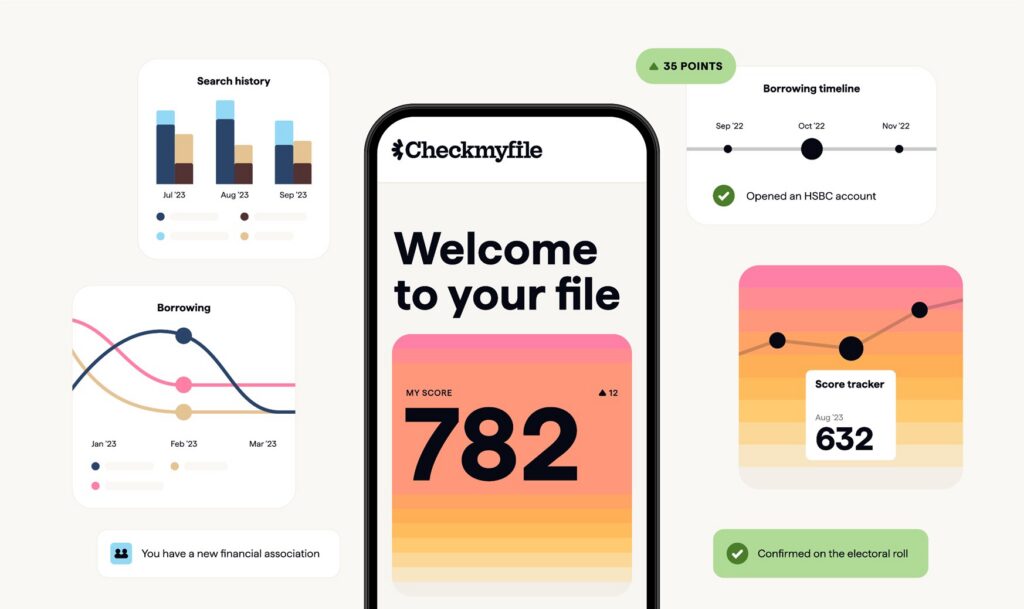
Stay in control of your finances
We work with Checkmyfile through their partnership programme. Let us guide you through your full credit report and find a solution to your borrowing needs. Sign up for your detailed credit report here. It’s free for 30 days, then a monthly fee of £14.99 applies – cancel online at any time.
Understanding your credit history
The first step to getting a mortgage with poor credit is understanding what situation you are in. Many credit issues will stay on your credit report for up to 6 years, so knowing what you’ve experienced and when will help to make your mortgage journey easier.
Keeping on top of bills can be difficult, but little blips don’t have to stop you from getting a mortgage. If you’ve missed a payment on a bill or a credit card, there are lenders who can help.
It’s important to understand that missing payments makes you look risky to a lender. Because of this, mortgage lenders may offer you less of a loan or may increase rates to reflect your credit position. However, this largely depends on how recent the missed payment was and if your credit score has repaired itself.
With access to your full credit report, our advisors will be able to see your missed payments and research the best mortgage lender for you.
An arrangement to pay is an agreement between you and a company to raise or lower the cost of your monthly repayments. Although you have taken the right steps to put an arrangement in place, this can still be seen as a negative payment marker and may lower your credit score.
If you have an arrangement in place, it’s important to know how much you are paying and how long the arrangement is for. Have a chat with one of our experienced advisors and tell us about your past or present arrangements.
A default is usually registered as a last resort if you are continuing to miss your monthly repayments. This is typically between 3 to 6 months, but can vary depending on the lender’s terms. A default can occur regardless of how much money you owe.
You will receive a default notice first, and at this stage, the notice will not appear on your credit file. This is essentially your last chance to make any outstanding payments. If you cannot make the required payments, your account will default and this will be registered on your credit file.
While falling behind on this many payments may seem like the end of the road, there are specialist lenders who will ask to hear your side of the story and assess your situation on a personal level.
A County Court Judgement (CCJ) is a court order outlining that you owe money.
It’s important to act quickly with a CCJ as you are able to make an appeal if you have proof of paying what is owed. If you pay back the money you owe within the first month of receiving the CCJ, this can be removed from your credit file. With this off your file, it will unlock access to more mortgage lenders.
A Debt Management Plan (DMP) combines your debts into one affordable monthly repayment. This money goes to a debt management provider who will then distribute the payment between the creditors you owe.
There are lenders who can offer mortgages even if you have a DMP in place.
Bankruptcy is a last resort for dealing with debts that cannot be repaid. You may have decided to declare yourself as bankrupt or your creditors have applied to make you bankrupt. Whatever the situation, you may still be eligible for a mortgage with a specialist lender.
Usually after a year of being bankrupt, you will be discharged and released from your debts. This fresh start is the gateway to securing a mortgage, but it takes time. The longer you’ve been discharged for, the more mortgage lenders will consider your application.
If you have experienced bankruptcy, we strongly recommend speaking to a mortgage broker rather than applying directly to a lender. If you want to check what lenders are available to you, speak to one of our experienced brokers who can assess your situation.
Top Tips
- If you’re thinking of taking out a mortgage in the near future, we suggest that you do not apply for any more credit cards, loans or pay-in-3 services at this time.
- We recommend that you close down any credit cards that you no longer use. It’s best to only have access to credit that you need.
- Even if your credit score is good now, past financial problems can complicate a mortgage application. It’s best to be honest and upfront with your credit history so that we can help.
- Make sure you set up a Direct Debit for the minimum payment on your credit card. This ensures you never miss a payment.
Your home may be repossessed if you do not keep up repayments on your mortgage.